How to Trade Meme Coins Without Losing Your Capital to Emotions and Rugs
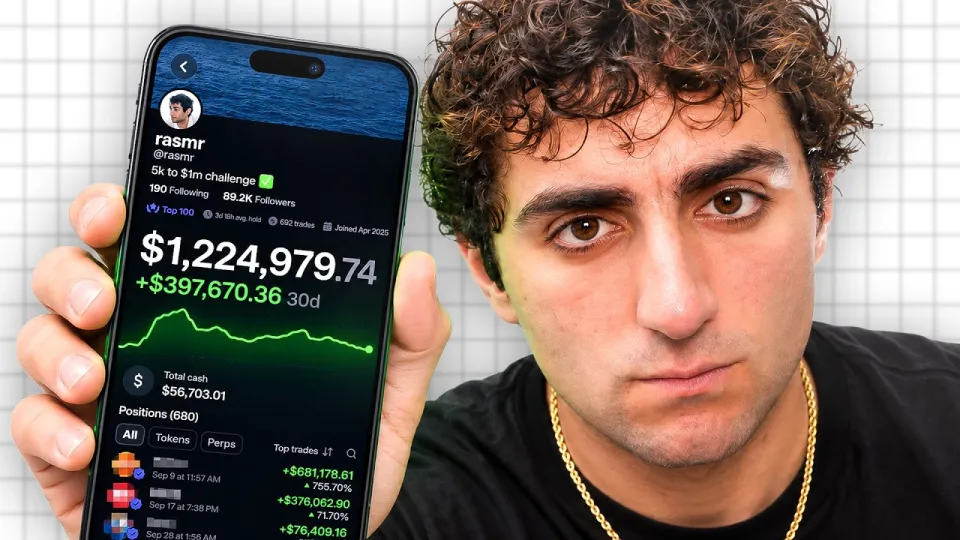
Video: 5 Years of Memecoin Knowledge in 12 Minutes
You can order the same kind of articles for your own video to boost it on YouTube and Google. Just message the Telegram bot @sat_sit_bot. The bot writes and publishes the articles itself (with your YouTube video embedded) on popular topical websites (no ads). Your first 50 articles are free.
· based on the channel rasmr
Meme coin trading is the practice of buying tokens whose value comes from a narrative, a community and attention rather than from cash flow, and doing it profitably means treating every entry as a trade with a defined exit, a fixed position size and no emotional attachment. The token itself is not an investment thesis; the story around it, the liquidity behind it and the moment you sell are what decide the result. Platforms such as FOMO let traders register and execute these fast meme coin entries, which matters because speed of execution is part of the edge in this market.
What actually drives a meme coin price
A meme coin has no earnings, no product and no balance sheet, so its price is a function of narrative strength and the flow of new buyers. The launch story — who released the token, what it references, which community adopts it — is the first thing to evaluate, because a coin with a recognizable meme and an active promoter can run for days while a technically identical token with no story dies in hours. Attention is the scarce resource: social volume, mentions from accounts with real reach and the speed at which the narrative spreads determine whether there is anyone left to buy after you. This is why the same chart pattern that fails on a large-cap asset can work on a meme coin, and why it can also fail instantly when the story stops spreading.
How to check a meme coin before buying
A pre-entry checklist is the difference between a trade and a lottery ticket; run the same four checks every time, in the same order, before any capital leaves your wallet.
- Liquidity and lock status. Confirm how much liquidity sits in the pool, whether it is locked and whether the deployer can withdraw it. Thin liquidity means your exit will move the price against you.
- Holder distribution. Look at the top wallets. If a handful of addresses hold a large share of supply, those holders are the exit liquidity risk — they can sell into your buy.
- Contract permissions. Check for mint functions, blacklists, trading pauses and adjustable taxes. Any function that lets the deployer change the rules after your purchase is a red flag.
- Narrative and origin. Identify who launched the coin and why. A token tied to a real, spreading story behaves differently from one created to farm a trending keyword.
None of these checks guarantees safety, but skipping them converts a calculated risk into a blind one, and the rug question is the single most common follow-up from viewers of the rasmr breakdown.
Why emotions cost more than bad picks
The most expensive mistakes in meme coin trading are behavioral, not analytical. Traders who average down on a losing chart, hoping it returns to their entry, turn a small planned loss into a large unplanned one. Traders who watch a position run 50–100% in profit and hold for more, because the chart is still green and the excitement is real, round-trip the entire gain back to zero. Traders who see a vertical candle and buy the top out of fear of missing out become the exit liquidity for earlier holders. The pattern repeats because the market is designed to trigger exactly these reactions: fast candles, constant social validation and the illusion that the next leg is always coming. The fix is mechanical — decide the invalidation level and the profit zone before entering, then execute without renegotiating.
How to plan entries and exits by market cap
Market capitalization, not the price of a single token, is the correct reference frame for meme coin exits. A coin at a $5 million cap and the same coin at $50 million are entirely different trades, and the supply of new buyers needed to move from one to the other grows with each step. Practically, this means defining your target valuation range in advance, understanding who is likely to sell at each round number, and accepting that insiders and early wallets usually begin distributing well before the top. Unrealized profit is not profit; a position showing seven figures on screen is worth exactly what you get when you press sell, and if liquidity is thin, that number is smaller than the screen suggests. Scaling out in tranches — selling part of the position into strength — keeps you in the trade while locking in real capital.
How to size positions and survive losing streaks
Position sizing is the only variable fully under your control, and it should be set so that a total loss on any single meme coin does not change your ability to take the next trade. Small starting capital is an advantage, not a limitation: it lets you learn the mechanics of launches, exits and market cap behavior without paying tuition at scale. Keep a written record of each trade — entry cap, exit cap, thesis, outcome — because patterns in your own behavior appear faster than patterns in the chart. Assume that a meaningful share of entries will go to zero; that is the normal cost structure of this asset class, and a strategy that only works if nothing rugs is not a strategy.
Common questions traders ask about meme coins
Most recurring doubts from the trading community fall into a few buckets: how to spot a rug before it happens, whether a single narrative coin is worth a long-term hold, how to handle a position that is deep in profit, and whether to trade with emotions at all. On rugs, the answer is process — liquidity locks, holder concentration and contract permissions catch the lazy ones, and nothing catches a determined insider, which is why sizing matters more than detection. On long-term holds, meme coins rarely reward patience the way equity positions do, because attention decays and the community that drove the first leg moves to the next token. On profits, the discipline is to sell into strength on a schedule rather than waiting for confirmation that never arrives. On emotions, the honest answer is that they cannot be eliminated, only removed from the execution path by pre-committing to rules.
Useful links
Bottom line
The meme coin market rewards preparation and punishes improvisation: check liquidity, holders and contract permissions before entry, size positions so a zero does not hurt, and set exits by market cap rather than by hope. Emotions are the largest single source of losses — averaging down on red candles and round-tripping triple-digit gains account for more damage than any single bad pick. The rasmr video "5 Years of Memecoin Knowledge in 12 Minutes" condenses this experience into a compact framework, and the channel is worth following for the trading group discussions around it. Start small, keep records, and treat every token as a trade with an exit rather than a belief. If you want to put the checklist to work, register through FOMO and join the community discussion.
Key takeaways
- Meme coin prices are driven by narrative and attention, not fundamentals — the launch story (who released the token and why) matters more than the chart.
- Most retail losses come from emotions: averaging down on a losing chart, round-tripping 50–100% gains, and buying the top out of excitement.
- Market cap, not price per coin, is the reference point for exits: learn at what valuation early holders and insiders typically start selling.
- Liquidity, holder distribution and contract permissions are the three fastest rug checks before any entry.
- Position sizing and a pre-set exit plan beat any prediction — a coin can print a million in unrealized profit and still go to zero.
Source: 5 Years of Memecoin Knowledge in 12 Minutes · Markdown version
Questions & answers
How do I tell if a meme coin is likely to rug?
Start with liquidity: check whether the pool is locked and how much sits in it. Then look at holder concentration — a few wallets holding a large share of supply can dump on you — and scan the contract for mint, blacklist or tax-changing functions. No check is definitive, which is why position sizing matters as much as detection.
Should I hold a meme coin for the long term?
Usually no. Meme coin value depends on attention, and attention decays as the community moves to the next token. Treat them as trades with a defined exit range in market cap terms rather than long-term investments, and scale out into strength instead of waiting for a final top.
Why do I keep losing money even when I pick good coins?
The losses usually come from behavior, not selection: averaging down on a losing chart, holding a 50–100% gain until it round-trips, or buying a vertical candle out of excitement. Decide your invalidation level and profit zone before entering, then execute the plan without renegotiating it mid-trade.
Is small starting capital a problem in meme coin trading?
No — it is an advantage. Small size lets you learn launch mechanics, exit timing and market cap behavior without large tuition costs, and it keeps a single zero from ending your trading. Scale up only after your own trade records show a repeatable process.